
Some call it "electrification." Others prefer "going electric" or "energy transition." Whatever term you choose, it is the most exciting transformation of our time: the shift away from fossil fuels—toward an electric-powered future.
Qmerit is at the forefront of the electrification movement. We're dedicated to making it easy for homeowners and small businesses to make the switch.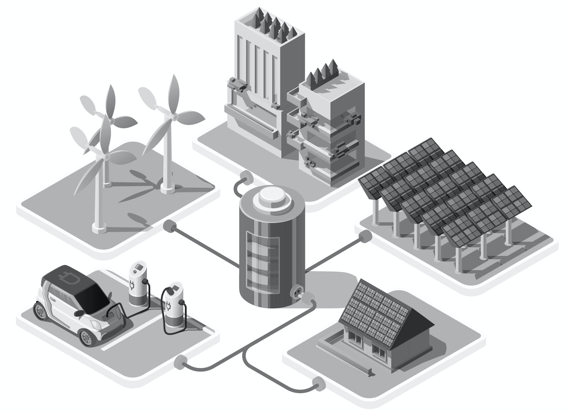
Why go electric?
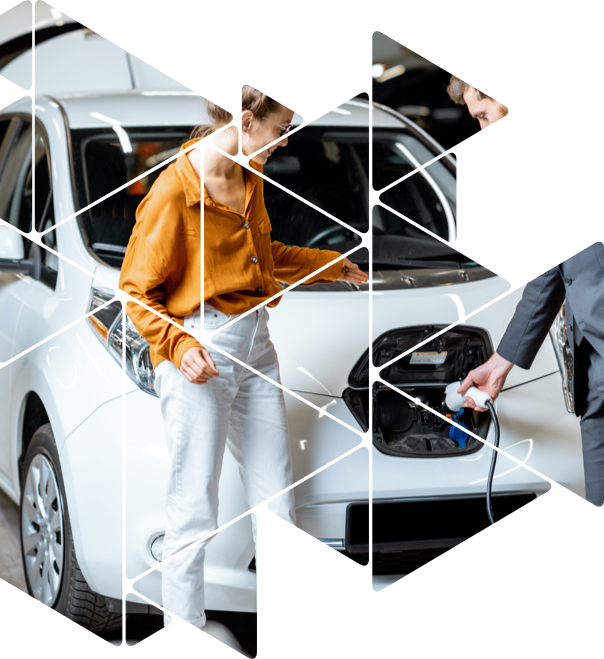
The energy transition is well underway—and picking up speed. You can’t drive far without seeing electric vehicles (EVs) on the road, or charging stations clustered in parking lots. But it won’t end there.
Consumers and companies are already taking the next steps in the electrification journey, driven by motivating factors such as:
-
 Living more sustainably
-
 Increasing energy self-reliance
-
 Harnessing new technologies
-
 Saving on gasoline and utilities
-
 Securing green energy incentives
-
 Reducing fleet maintenance costs


What does electrification look like?
In the past 15 years, homeowners have adopted rooftop solar panels in ever-growing numbers. That was the most common entry point for going electric until recently.
With EVs now entrenched in the mainstream, the journey will increasingly look something like this:
 1
Electric Vehicles
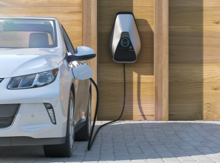
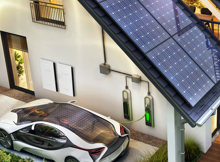
Millions of drivers are embarking on the energy transition by switching from gas-powered cars and trucks to EVs. For an optimal experience, many purchase Level 2 home charging stations, allowing them to fill up while they sleep.
1
Electric Vehicles
Millions of drivers are embarking on the energy transition by switching from gas-powered cars and trucks to EVs. For an optimal experience, many purchase Level 2 home charging stations, allowing them to fill up while they sleep.
 2
Energy Storage System
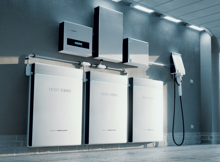
Many homes are now equipped with battery systems that store energy and supply electricity on demand. (During power outages, for example.) Sources of that energy may include the grid or EVs with bidirectional charging capabilities.
2
Energy Storage System
Many homes are now equipped with battery systems that store energy and supply electricity on demand. (During power outages, for example.) Sources of that energy may include the grid or EVs with bidirectional charging capabilities.
 3
Solar Integration
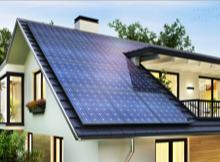
Residential solar power systems typically send energy to the grid. But with proper integration, they can also charge home energy storage systems. It's another option for homeowners seeking to reduce their carbon footprint—and reliance on the grid.
3
Solar Integration
Residential solar power systems typically send energy to the grid. But with proper integration, they can also charge home energy storage systems. It's another option for homeowners seeking to reduce their carbon footprint—and reliance on the grid.
 4
Microgrids
Have a renewable power source and energy storage system? Adding microgrid technology allows your home or community to operate independently from the grid for extended periods. These automated systems maximize sustainability and resiliency.
4
Microgrids
Have a renewable power source and energy storage system? Adding microgrid technology allows your home or community to operate independently from the grid for extended periods. These automated systems maximize sustainability and resiliency.